Blueprints & Beyond
With Blueprints & Beyond, we explore the ideas, materials, and methods that shape our work at Tectonics Builders. It’s a place for insight — from evolving design trends and building processes to stories from the field and lessons learned through craftsmanship.
Comfort from the Ground Up:
Why We Choose Warmboard Radiant Heat
When we talk about comfort in a home, our mind goes to what we can see — sunlight through a window, the texture of a wood beam, the flow of a well-designed space. But some of the most meaningful comfort is invisible.
That’s why, at Tectonics Builders, we’re proud to integrate Warmboard radiant heating systems into our custom homes across Central Virginia. It’s a system that quite literally warms your home from the ground up — delivering even, efficient heat you can feel in every step.
What Is Warmboard Radiant Heat?
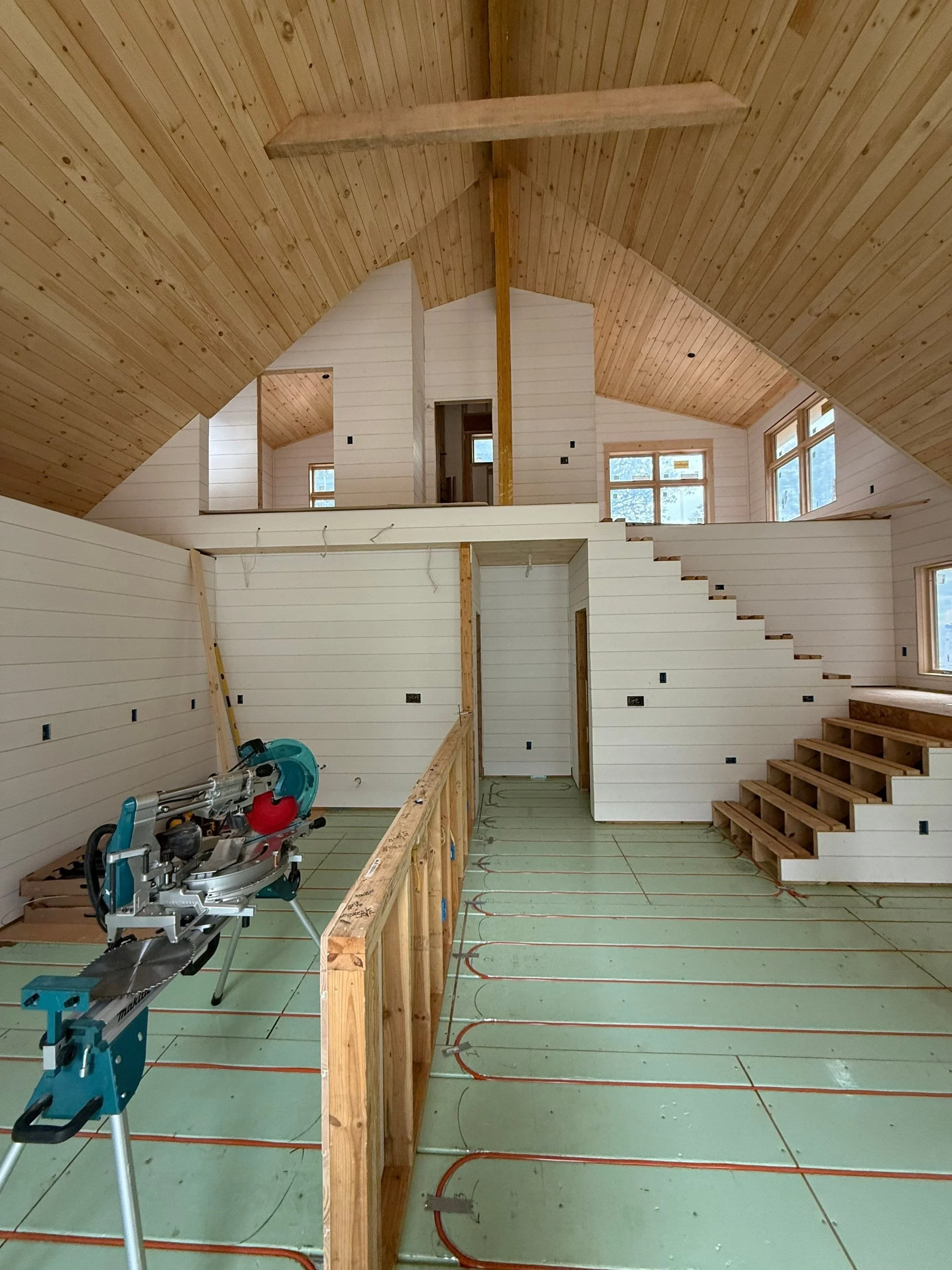
Warmboard is a high-performance, in-floor radiant heating system that uses hydronic (water-based) heating technology. The panels are built from strong, sustainable plywood with a conductive aluminum surface that spreads warmth quickly and evenly across the floor.
Instead of blowing hot air through ducts, Warmboard circulates warm water through tubing beneath the surface. The result? Consistent, silent comfort without the dust, drafts, or energy loss that come with traditional forced-air systems.
Why We Recommend It
Building in the Blue Ridge means designing for year-round comfort — from crisp mountain mornings to cool valley evenings. Warmboard fits naturally into that rhythm with benefits our homeowners love:
Even, Efficient Warmth
No cold spots or temperature swings. The heat stays consistent from wall to wall.
Energy Savings
Radiant systems operate at lower water temperatures, making them more efficient and reducing overall energy costs.
Quiet, Clean Air
No vents, fans, or blowing dust — just peaceful, healthy comfort.
Design Freedom
Because the system lives beneath the floors, you can design without worrying about baseboard heaters or duct runs.
Durability and Responsiveness
Warmboard’s aluminum-clad panels conduct heat faster than other radiant systems, meaning rooms warm quickly and stay comfortable longer.
Built Right In
At Tectonics Builders, we believe that true craftsmanship is as much about what you don’t see as what you do. Integrating Warmboard during the foundation and framing stages ensures your home’s heating system is seamlessly built in — with performance and efficiency that lasts for decades.
Whether you’re standing barefoot in your kitchen on a January morning or hosting friends in your great room as the temperature drops outside, the warmth beneath your feet is working quietly and efficiently to keep your home comfortable.
Thoughtful Design Meets Enduring Comfort
Every system we choose reflects our core philosophy: design with intention, build with precision, and craft for how you live. Warmboard radiant heat is a perfect example — an innovation that elevates daily life while blending effortlessly into the structure of your home.
Because the best homes aren’t just beautiful; they’re built to feel good, too.
Winter Construction in the Blue Ridge:
What to Expect When the Weather Turns
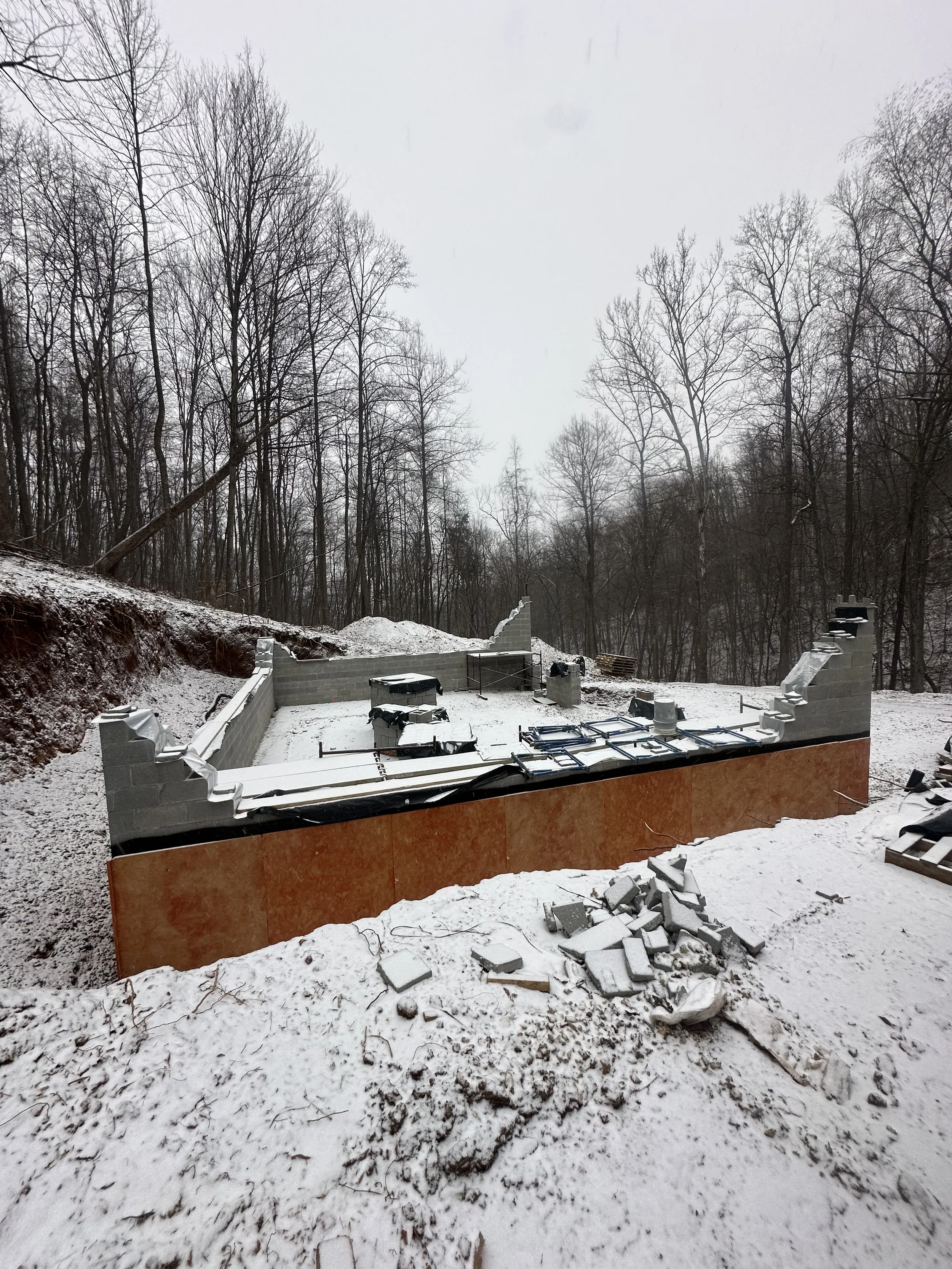
Building a custom home in the Blue Ridge Mountains comes with breathtaking views, dramatic terrain—and yes, a little unpredictability when winter arrives. While winter construction in the Mid-Atlantic is generally more manageable than in New England or out West, mountain weather can still cause temporary delays. Understanding how and why those delays happen can help set realistic expectations and reduce stress during the building process.
Winter in Our Neck of the Woods
Compared to harsher climates farther north or at higher elevations out west, winter building in this region is typically less risky. We often continue making steady progress through the colder months with only brief interruptions. That said, mountain weather has a way of surprising even seasoned builders. A single winter storm—bringing snow, ice, or prolonged freezing temperatures—can create a ripple effect that impacts the construction schedule more than you might expect.
Early-Stage Construction:
If your project is in the site development or early construction phase, snow and ice can cause a full stop. Frozen ground, slick access roads, and unsafe working conditions mean work pauses until the site is cleared or temperatures rise enough for conditions to improve. While these pauses are typically short-lived, they’re necessary to protect both workers and the integrity of the project.
Later-Stage Construction:
Once a home is further along—but not yet fully conditioned—winter introduces a new layer of planning. At this stage, the structure may be enclosed but still vulnerable. Temporary heat often becomes essential to:
Prevent plumbing lines from freezing
Protect materials like drywall, wood flooring, cabinetry, and millwork
Minimize material movement caused by temperature swings and fluctuating moisture levels
Managing temporary heat isn’t just about warmth—it’s about maintaining stable conditions so materials perform as intended and finishes meet long-term quality standards.
Why Winter Delays Can Ripple
Even a short weather-related pause can have downstream effects. Subcontractor schedules, material deliveries, and inspection timelines can all shift slightly. In the mountains, where access and weather windows matter, these small adjustments can add up. That’s why proactive planning, clear communication, and flexibility are key during winter builds.
The Big Picture
Winter delays in the Blue Ridge Mountains are usually temporary and manageable, not deal-breakers. With thoughtful scheduling and the right precautions, construction can—and often does—continue safely and successfully through much of the season. Our goal is always to balance progress with protection, ensuring your home is built correctly, not rushed, regardless of what the weather brings.
If you’re planning a mountain build and have questions about timing, seasonal considerations, or how winter might affect your project, we’re always happy to talk it through! Building in the mountains is a journey—and a little winter weather is just part of the story.
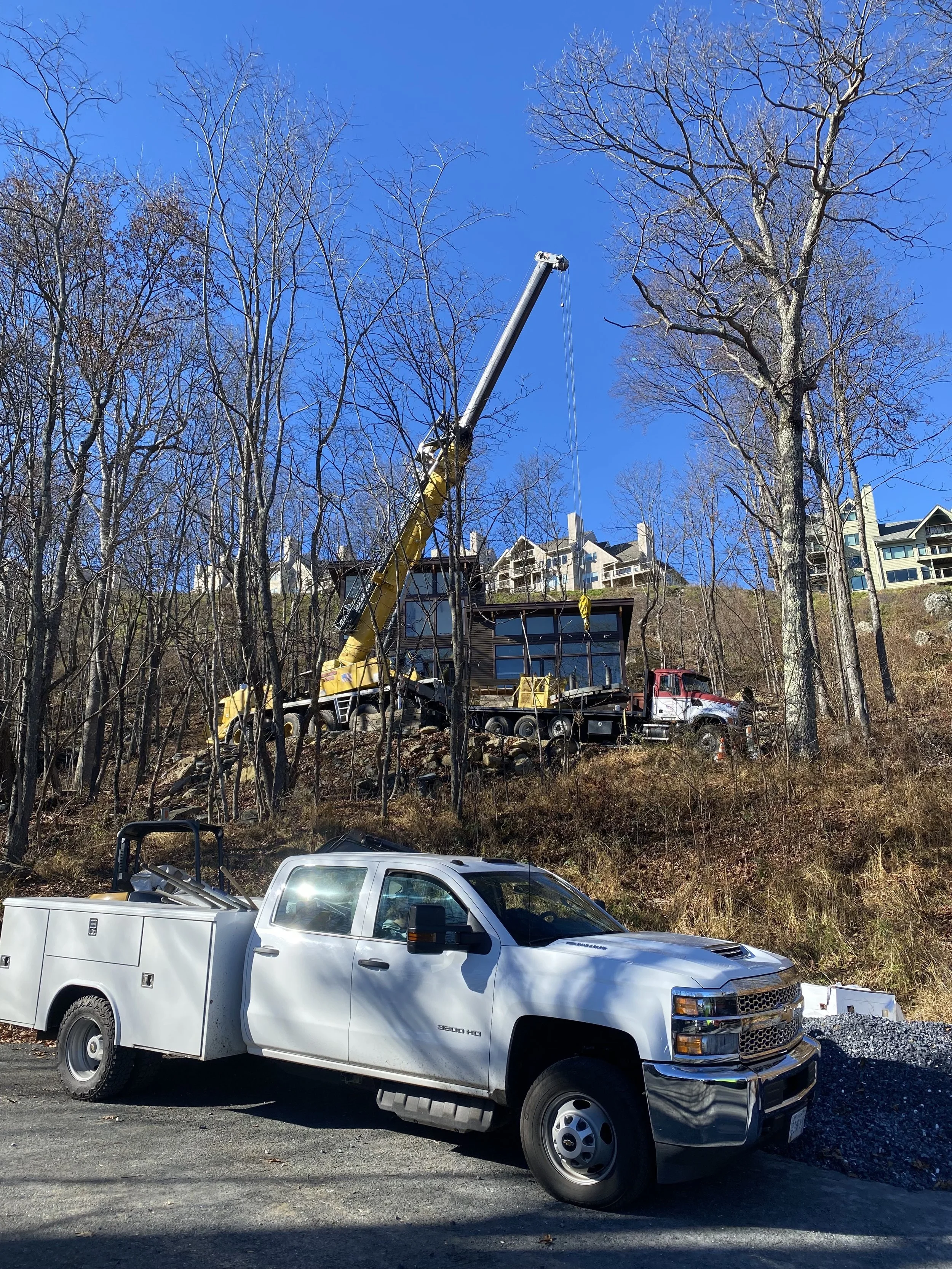
Foundations: Strong Solutions for Tricky Terrain
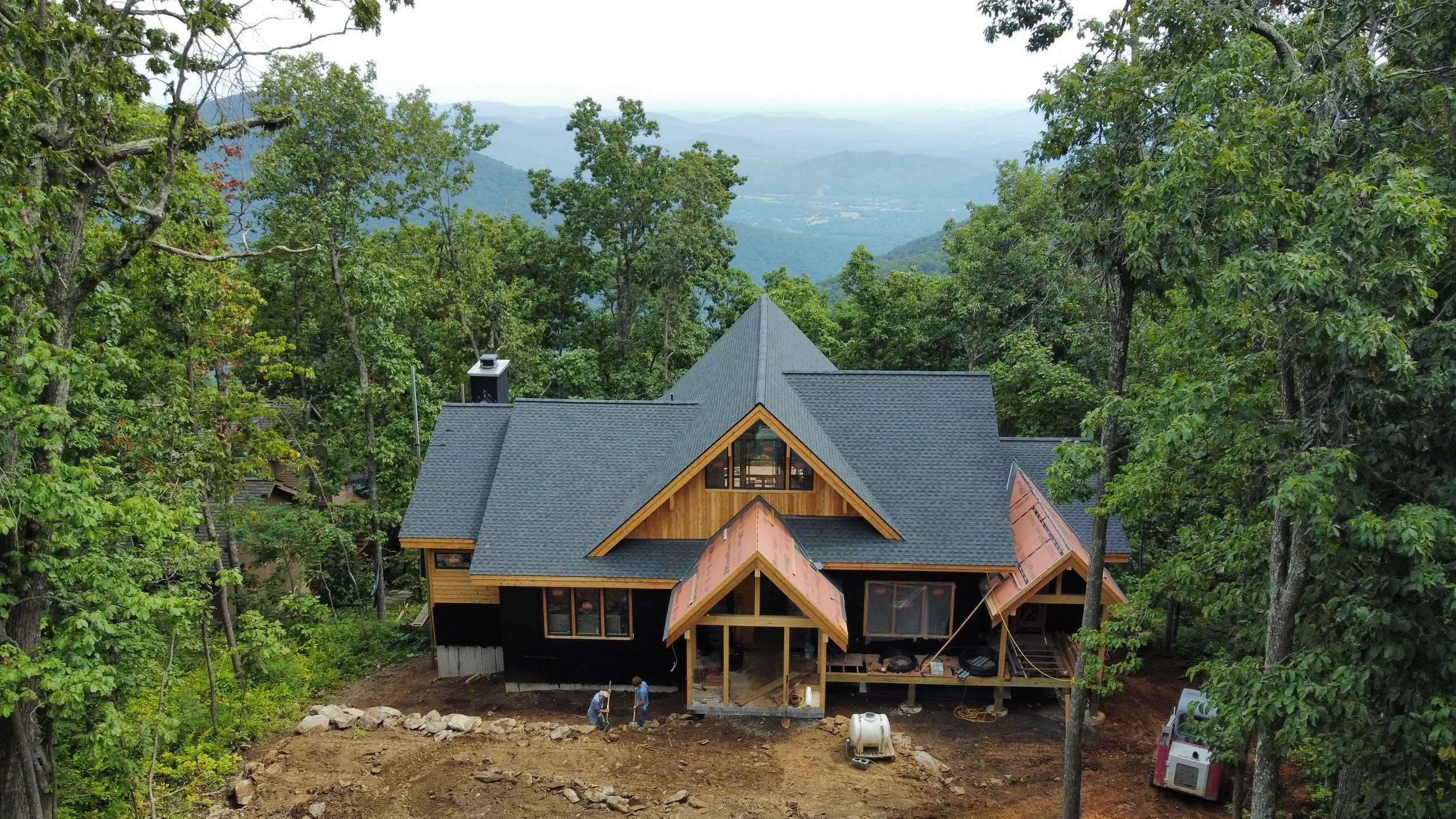
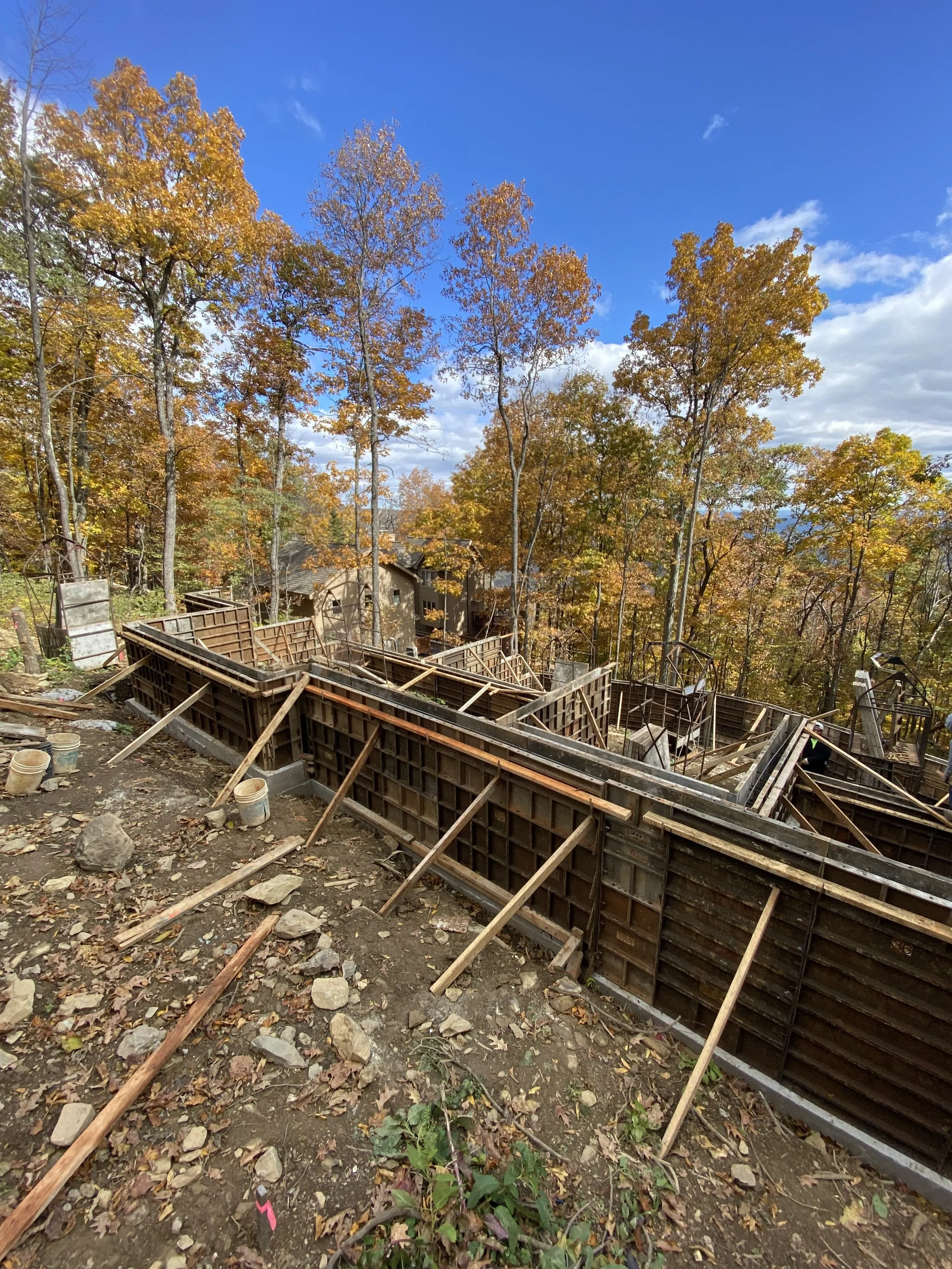
When it comes to custom homebuilding in Central Virginia, no two sites are the same — especially below the surface. At Tectonics Builders, we know a strong foundation is more than where a home begins — it’s what allows everything else to stand strong for years to come.
Every Site Tells a Story
From the rolling hills of Charlottesville to the rocky slopes of Nelson County and Wintergreen, each property brings unique conditions. Some lots offer gentle grades and well-draining soil. Others present steep terrain, subsurface rock, or seasonal waterflow that must be carefully considered.
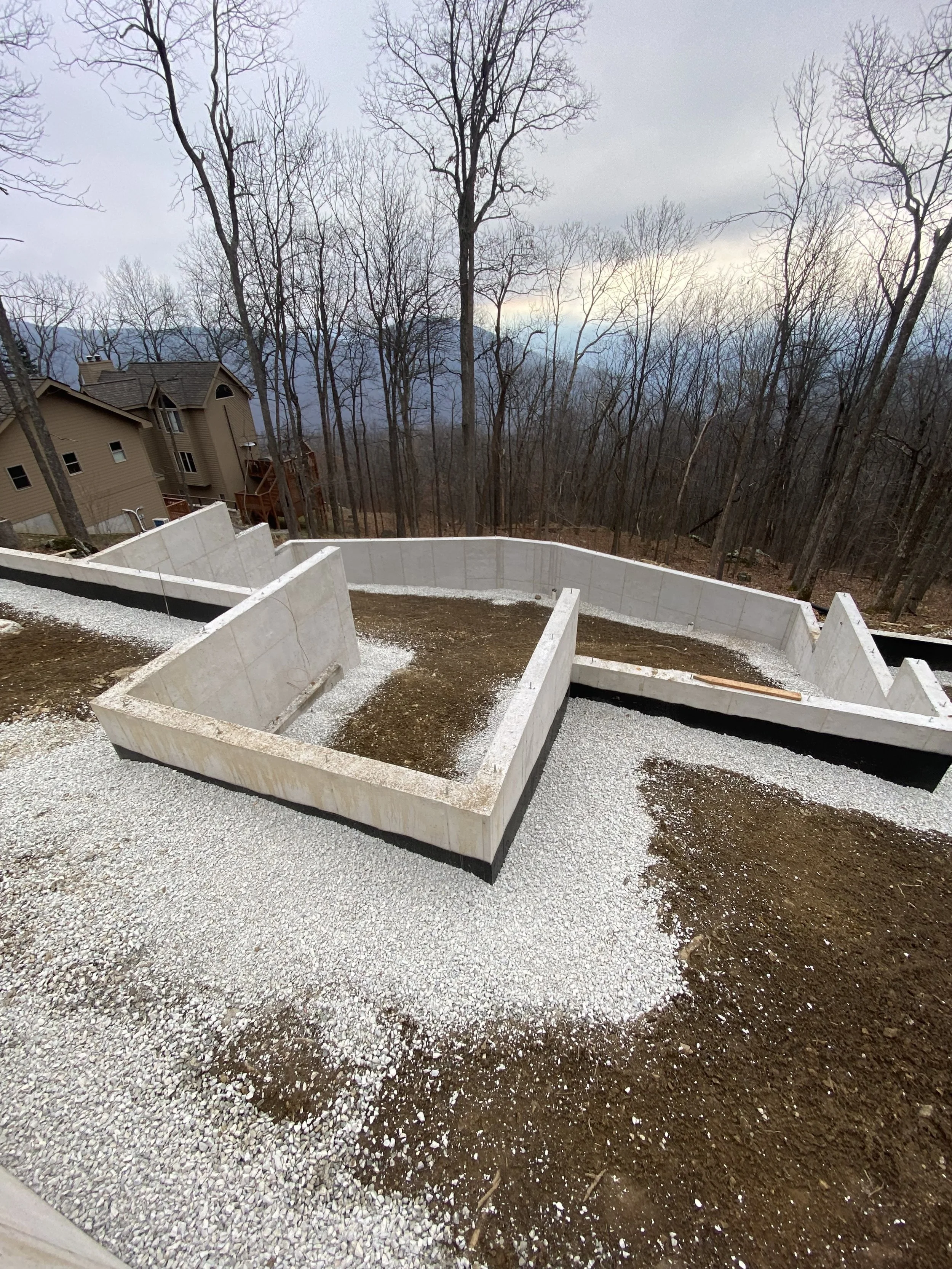
Not all sloped sites are equal. A mild slope may allow for a walk-out basement, while steep terrain can require stepped footings, engineered retaining systems, or advanced grading strategies. The degree of slope directly impacts excavation, structural design, and drainage planning — which is why early site evaluation is so critical.
Understanding the Landscape
Building in the Blue Ridge often means accounting for:
Mixed soil conditions
Sloped and steep terrain
Subsurface rock
Seasonal waterflow and shifting drainage patterns
Solid rock can provide excellent support, but it may require specialized excavation. Variable soil layers sometimes demand reinforcement to ensure long-term stability. And a lot that appears dry in summer can carry significant runoff during heavy rains or snowmelt. Thoughtful grading, drainage systems, and waterproofing ensure water is directed safely away from the home year-round.
These challenges aren’t obstacles — they’re opportunities to engineer tailored, durable solutions that honor the character of the jobsite.
Our Approach
We approach foundations with the same care we bring to every phase of our design-build process:
Thorough site analysis before excavation begins
Collaboration with engineers to determine the right foundation system — from conventional footings to crawl spaces, basements, stepped foundations, or engineered slabs
Strategic planning for drainage and long-term moisture control
Intentional placement of the home within its natural surroundings
Execution by seasoned trade professionals whose expertise ensures structural strength, lasting performance, and uncompromising craftsmanship
Thoughtful planning sets the direction. Skilled execution ensures it’s built exactly as intended.
Whether a home is perched on rock, carved into a mountainside, or set in a quiet valley, our team brings decades of experience navigating tricky terrain — with the foresight to anticipate what lies below.
Built for Where You Live
Foundations may not be the most visible or glamorous part of a home, but they are where craftsmanship and construction-science meet. In Central Virginia — where slopes, mountain runoff, and varied soil conditions are part of the landscape — experience matters!
I Bought Land. Now What?
This is probably one of the most common questions we get.
Someone buys a piece of land, signs the closing paperwork, stands out there looking at it, and thinks…
“Okay… now what?”
The good news is you don’t need to have everything figured out before talking to a builder. In fact, some of the best projects start with little more than a piece of land and a few ideas.
One of the first things we want to understand is where you are in the process. Have you started thinking about a design? Do you already have plans? What are your goals for the property? Those answers help guide the next steps.
One of the biggest misconceptions after buying land is thinking site work should come first. People often want to install a driveway, well, or septic system before there’s even a design for the home.
In most cases, it’s better to let the design determine where those things go—not the other way around. Installing infrastructure too early can limit your options later.
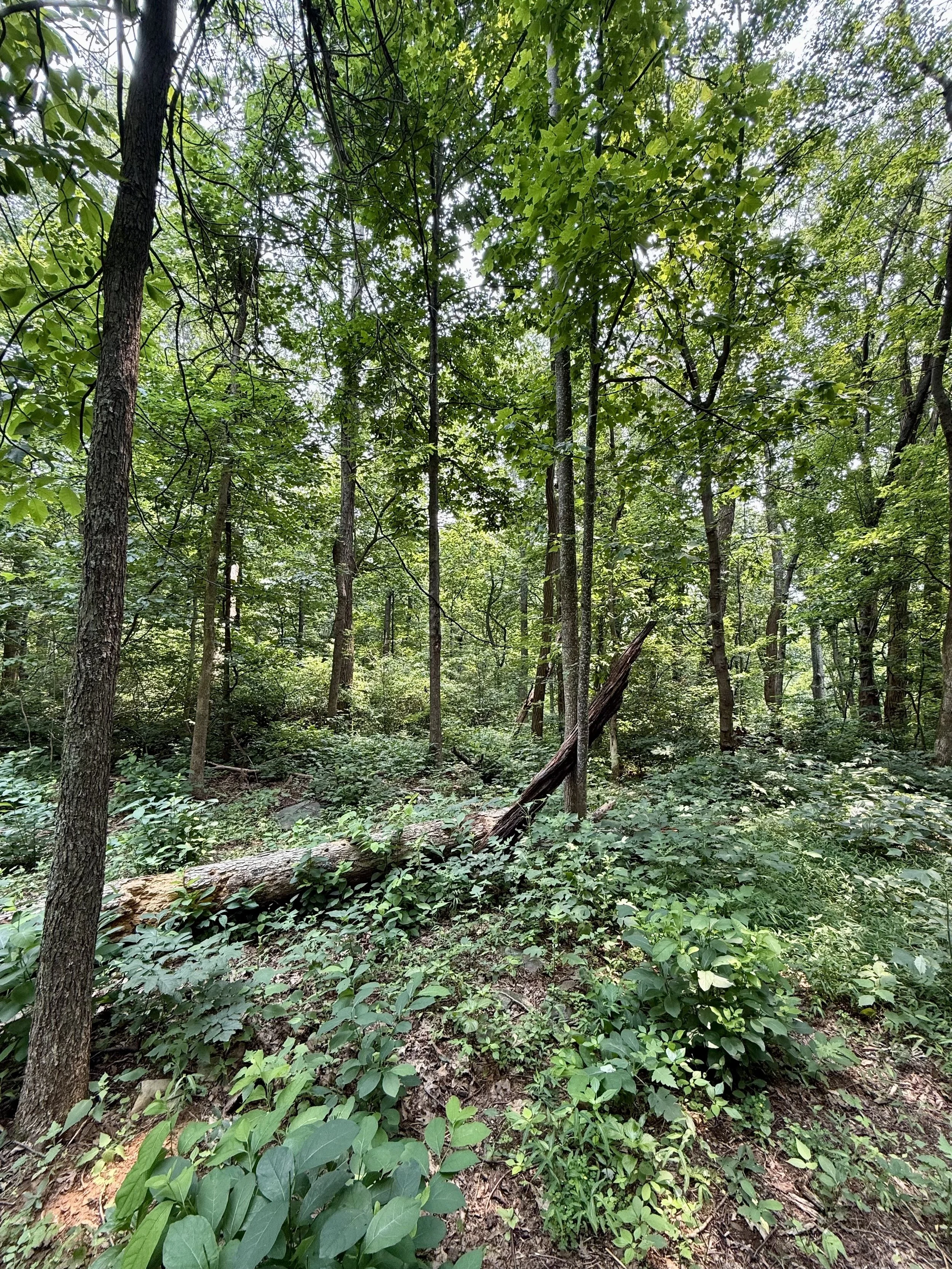
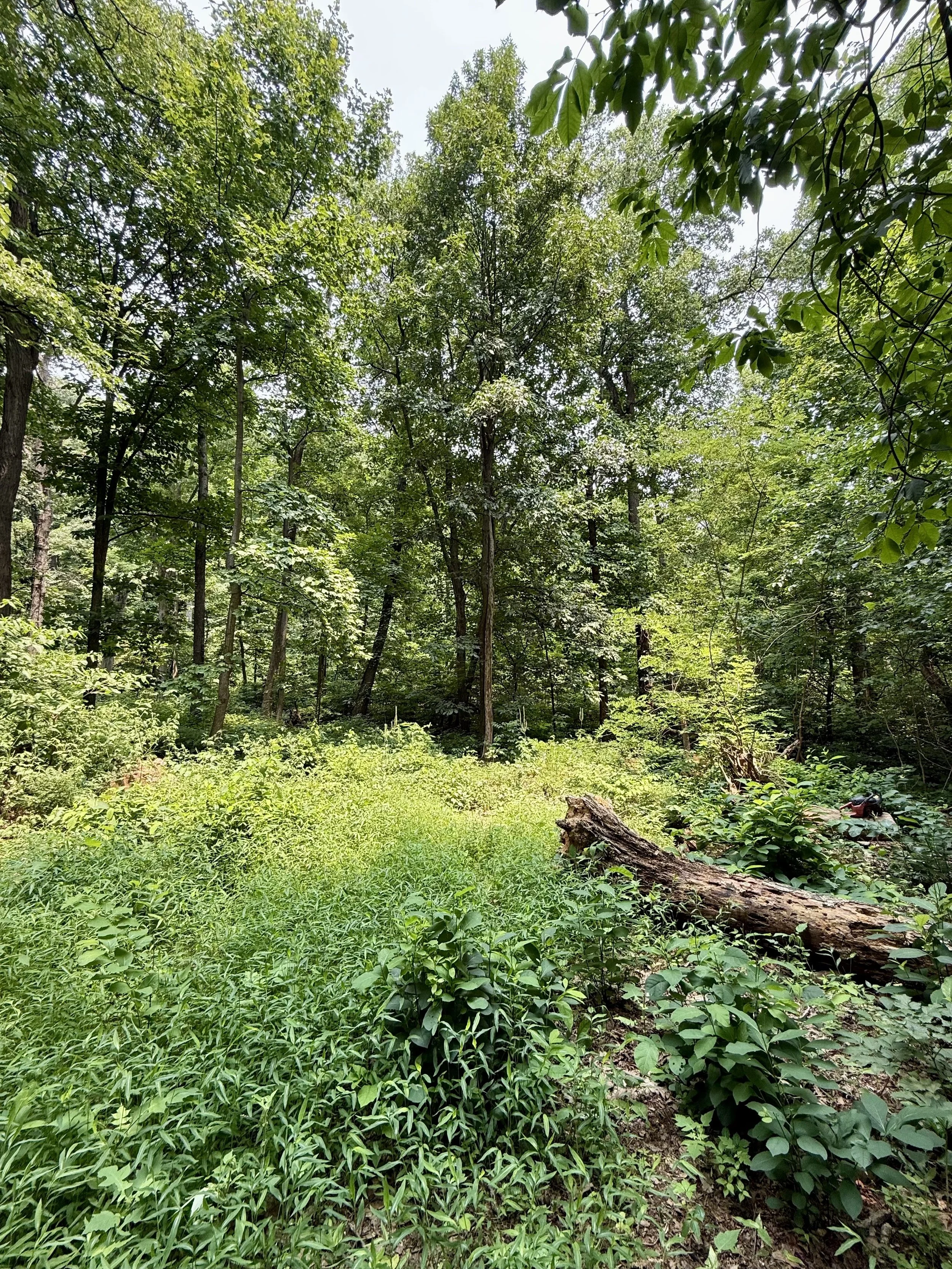
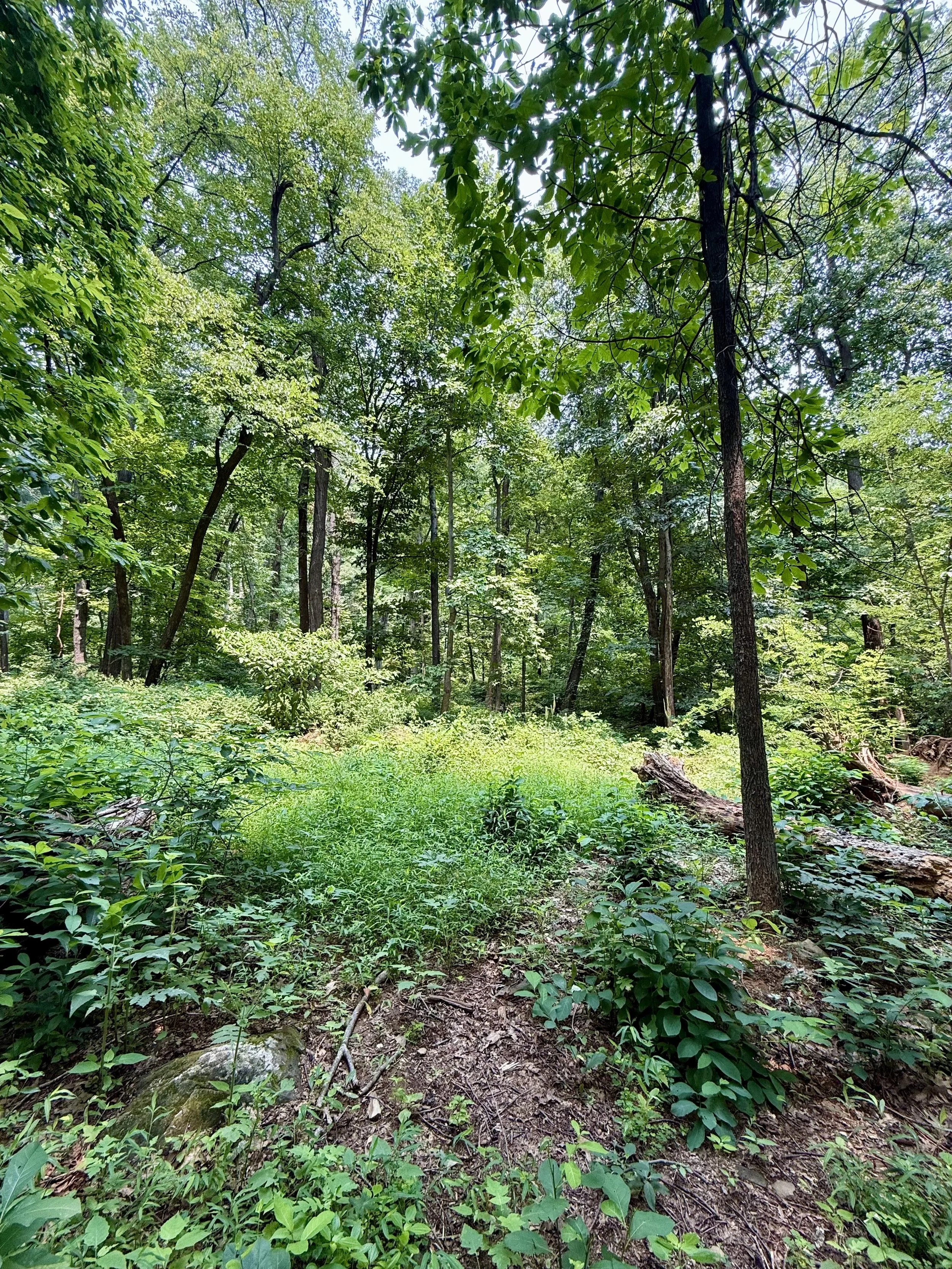
When we visit a property, we usually start by walking the entire site. Many of the properties we build on throughout Nelson County and Virginia are two acres or more, so we want to understand the land before making recommendations.
We’re looking at views, privacy, driveway access, natural features, utilities, and anything that could influence the design. Just as importantly, we’re thinking about how the home should fit the property—not how the property should fit the home.
The land has a bigger impact on the design than many homeowners realize. It influences everything from the home’s placement and foundation to its orientation, footprint, and even whether a single-story or multi-story design makes the most sense. Sometimes there are natural features worth preserving or views worth capturing that become the starting point for the design.
The best homes are the ones that respond to the land instead of forcing the land to fit the house.
Before you start investing in plans or site work, take the time to understand what your property has to offer. A little planning up front can save time, money, and frustration down the road.
If you’ve recently purchased land in Central or Western Virginia and aren’t sure what comes next, we’d be happy to walk the property with you, talk through the possibilities, and help you take the next step with confidence.